
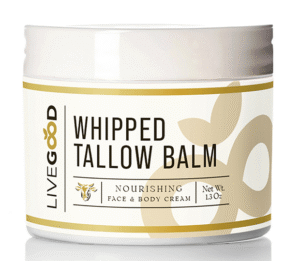

Tallow is a rendered form of animal fat, primarily derived from the suet (the hard, nutrient-dense fat around the kidneys and loins) of animals like cattle, deer, sheep, or other ruminants. It’s a solid fat at room temperature, rich in saturated and monounsaturated fats, and has been used for centuries in cooking, skincare, and industrial applications due to its stability, nutrient content, and versatility. Tallow from different animals—such as beef, venison, or lamb—varies slightly in flavor, texture, and nutrient profile but shares similar properties. It’s shelf-stable, especially when properly rendered, and can be stored for months without refrigeration if kept in an airtight container in a cool, dark place.
Uses of Tallow
Tallow’s applications span culinary, cosmetic, medicinal, and industrial uses. Below is a detailed breakdown of how tallow from beef, venison, and other animals (like sheep, bison, or goat) is used, with specifics on each animal’s tallow where relevant.
1. Culinary Uses
Tallow is a traditional cooking fat prized for its high smoke point (around 400–420°F/204–216°C), rich flavor, and nutrient density. It’s packed with fat-soluble vitamins (A, D, E, K) and conjugated linoleic acid (CLA), especially when sourced from grass-fed animals.
Beef Tallow:
- Frying: Ideal for deep-frying foods like French fries, doughnuts, or chicken due to its high smoke point and ability to create crispy textures. Fast-food chains historically used beef tallow for fries (e.g., McDonald’s until the 1990s).
- Baking: Used in pie crusts, biscuits, and pastries for a flaky, rich texture. It’s a traditional ingredient in mincemeat pies or pemmican (a mix of tallow, dried meat, and berries).
- Roasting: Enhances flavor in roasted vegetables or meats, imparting a savory, umami taste.
- Seasoning Cast Iron: Coats and protects cast-iron cookware, preventing rust and creating a non-stick surface.
- Flavor Profile: Beef tallow has a robust, meaty flavor, stronger than other tallows, making it a favorite for hearty dishes.
Venison Tallow:
- Cooking Wild Game: Venison tallow is often used to cook deer meat, as it complements the lean, gamey flavor. It’s excellent for searing steaks or making venison sausages.
- Pemmican: A staple for hunters and indigenous peoples, venison tallow is mixed with dried venison and berries for a portable, high-energy food.
- Flavor Profile: Milder and slightly gamier than beef tallow, with a less greasy mouthfeel due to venison’s leaner fat composition.
- Challenges: Venison suet is harder to source in large quantities because deer have less fat than cattle, and the tallow can be slightly softer due to a higher proportion of unsaturated fats.
Other Tallows (Sheep, Bison, Goat):
- Lamb/Sheep Tallow: Used in Middle Eastern and Central Asian cuisines (e.g., in kebabs, pilafs, or flatbreads). It has a distinct, slightly muttony flavor that pairs well with spiced dishes.
- Bison Tallow: Similar to beef tallow but with a slightly sweeter, cleaner taste. Used for frying or roasting game meats, especially in North American indigenous recipes.
- Goat Tallow: Less common but used in some African and Caribbean dishes for stews or grilling. Its flavor is stronger and more pungent than beef tallow.
General Use: These tallows are interchangeable with beef tallow in most recipes but may alter flavor profiles. They’re valued in traditional diets for their nutrient density and ability to add richness to lean meats.
Nutritional Note: Tallow from grass-fed animals has higher levels of omega-3s, CLA, and vitamins compared to grain-fed. For example, grass-fed beef tallow may contain up to 4% CLA, which is linked to anti-inflammatory and potential fat-burning benefits in small studies.
2. Skincare and Cosmetic Uses
Tallow is a traditional ingredient in skincare due to its similarity to human sebum (skin’s natural oil). It’s rich in vitamins A, D, E, and K, and its fatty acid profile (e.g., stearic and oleic acids) closely matches human skin, making it highly moisturizing and absorbable.
Beef Tallow:
- Moisturizers and Balms: Used in tallow-based creams, salves, or balms to hydrate dry skin, treat eczema, psoriasis, or minor burns. Often mixed with essential oils (e.g., lavender, tea tree) for added benefits.
- Lip Balms: Provides a protective barrier for chapped lips, especially in harsh weather.
- Anti-Aging: Its vitamins and fatty acids may support collagen production and reduce fine lines. Small-scale anecdotal reports praise beef tallow for improving skin elasticity.
- Popularity: Grass-fed beef tallow is a staple in “ancestral” or “natural” skincare communities for its purity and lack of synthetic additives.
Venison Tallow:
- Niche Skincare: Less common than beef tallow but used similarly in homemade balms or soaps. Its lighter texture (due to higher unsaturated fats) makes it slightly less heavy on the skin.
- Cultural Use: Indigenous groups historically used venison tallow for skin protection during harsh winters, often mixed with herbs.
- Challenges: Harder to source and may have a slightly gamier scent, requiring deodorizing during rendering.
Other Tallows:
- Sheep Tallow: Common in traditional European and Middle Eastern skincare (e.g., lanolin-like products). Used in heavy-duty moisturizers for cracked hands or feet due to its thicker consistency.
- Bison Tallow: Gaining popularity in natural skincare for its nutrient density and similarity to beef tallow. Often marketed as a premium, “wild” option.
- Goat Tallow: Rare in commercial products but used in some traditional African or South Asian skincare recipes for its emollient properties.
Note: For skincare, tallow should be pure, grass-fed, and properly rendered to avoid impurities or odors. Always patch-test, as some people may find tallow too heavy for acne-prone skin.
3. Medicinal and Traditional Uses
Tallow has been used in folk medicine and traditional practices for its nourishing properties.
Beef Tallow:
- Healing Salves: Applied to cuts, scrapes, or burns for its anti-inflammatory and antimicrobial properties (due to natural fatty acids). Often combined with herbs like calendula.
- Joint and Muscle Relief: Used in balms to soothe arthritis or muscle soreness, though evidence is anecdotal.
- Traditional Diets: Valued in ancestral diets (e.g., Weston A. Price Foundation) for its fat-soluble vitamins, believed to support immune health and hormone balance.
Venison Tallow:
- Indigenous Remedies: Used by Native American tribes for skin protection, wound healing, or as a base for medicinal ointments. Its lighter texture made it easier to apply in thin layers.
- Energy Source: In survival situations, venison tallow was consumed or applied to skin to prevent frostbite.
Other Tallows:
- Sheep Tallow: Used in traditional Chinese medicine and Ayurveda for joint pain or as a warming balm in cold climates.
- Bison/Goat Tallow: Less documented but used similarly to beef tallow in indigenous or rural settings for wound care or skin protection.
Evidence: Most medicinal uses are based on historical practices or anecdotal reports. Modern studies on tallow’s healing properties are limited, but its fatty acids and vitamins suggest potential skin-barrier support.
4. Industrial and Household Uses
Tallow’s stability and lubricity make it useful beyond food and skincare.
Beef Tallow:
- Soap Making: A key ingredient in traditional soap recipes (e.g., tallow soap) due to its ability to create a hard, long-lasting bar with a creamy lather.
- Candle Making: Used in tallow candles, a historical lighting source. It burns cleanly but may have a slight meaty odor unless refined.
- Lubrication: Applied to leather goods, tools, or machinery as a natural lubricant in traditional crafts.
- Biodiesel: Can be processed into biofuel as a renewable energy source.
Venison Tallow:
- Leather Care: Used by hunters to condition leather boots or gear, as it’s often a byproduct of processing game.
- Candles: Less common but viable for small-scale candle making, especially in off-grid or survival contexts.
- Challenges: Smaller yield limits industrial use compared to beef tallow.
Other Tallows:
- Sheep Tallow: Historically used in Europe for candles and soap (e.g., in Victorian-era households). Its higher melting point makes it ideal for hard soaps.
- Bison/Goat Tallow: Rarely used industrially due to limited availability but can substitute for beef tallow in small-scale soap or candle production.
5. Animal-Specific Considerations
- Beef Tallow: Most widely available, affordable, and versatile due to cattle farming’s scale. Grass-fed beef tallow is preferred for its higher nutrient content and cleaner flavor.
- Venison Tallow: Harder to source, as deer have less suet (often 1–2 lbs per animal vs. 10–20 lbs for cattle). Best for small-batch culinary or skincare use by hunters or specialty producers.
- Sheep Tallow: Thicker and more pungent, better for bold-flavored dishes or heavy-duty skincare. May need extra rendering to reduce odor.
- Bison Tallow: Similar to beef but rarer and pricier, often marketed as a premium product for health-conscious consumers.
- Goat Tallow: Strong flavor limits culinary use; more common in niche skincare or traditional recipes.
How to Render Tallow
To use tallow, you typically need to render it from suet:
- Source Suet: Get fresh suet from a butcher or processor (grass-fed is ideal). Beef suet is easiest to find; venison or bison suet may require a specialty supplier or hunting.
- Chop or Grind: Cut suet into small pieces or grind it to increase surface area.
- Melt: Use a slow cooker, double boiler, or low-heat oven (200–250°F/93–121°C) to melt the fat. Stir occasionally to prevent burning.
- Strain: Filter through cheesecloth or a fine mesh to remove impurities (cracklings).
- Store: Pour into jars or molds, cool, and store in a cool, dark place or refrigerate. Properly rendered tallow lasts 6–12 months at room temperature or longer in the fridge.
Tip: Wet rendering (adding water) produces cleaner tallow but takes longer. Dry rendering is faster but may retain more odor.
Safety and Considerations
- Allergies: Rare, but some may be sensitive to animal fats in skincare or food. Patch-test for topical use.
- Dietary Concerns: Tallow is high in saturated fat (50–60% in beef tallow), so moderate consumption is advised for heart health, though recent research questions the link between saturated fats and heart disease.
- Sourcing: Choose grass-fed, organic, or ethically raised animals for better quality and sustainability. Avoid tallow from feedlot animals, which may contain antibiotics or lower nutrients.
- Storage: Improperly rendered tallow can go rancid, especially venison tallow due to its higher unsaturated fat content. Store airtight and check for off odors.
Where to Find Tallow
- Beef Tallow: Widely available at butchers, grocery stores, or online (e.g., Fatworks, Epic Provisions). Grass-fed brands are pricier but higher quality.
- Venison Tallow: Rare commercially; usually rendered by hunters or sourced from specialty game processors.
- Other Tallows: Sheep or bison tallow may be found at ethnic markets or niche online retailers. Goat tallow is less common but available in some health food stores.
Conclusion
Tallow from beef, venison, and other animals is a versatile, nutrient-rich fat with deep historical roots. Beef tallow is the most accessible and widely used for cooking, skincare, and industrial purposes due to its abundance and robust flavor. Venison tallow shines in game-focused culinary and survival applications but is harder to source. Sheep, bison, and goat tallows offer unique flavors and textures for niche uses, especially in traditional cuisines or skincare. Whether you’re frying, moisturizing, or crafting, tallow’s stability and nutrient profile make it a valuable resource. For best results, source high-quality suet, render carefully, and consult a healthcare provider if using for medicinal purposes.
If you’d like recipes, rendering tips, or specific product recommendations, let me know!
Editor’s Note:
This article was written with help from GROK AI, and leans quite heavily on older health related sources, and so, only hints at the more modern findings of fat related heart and circulatory effects. My personal opinion is that animal fats, including tallows, are highly beneficial in appropriate amounts, while seed oils (commonly referred to as “vegetable oil”), are harmful, even toxic, in the quantities commonly consumed in America.There is little doubt that tallows used topically are very healthful. They are well-loved by those who use them.
There is no substitute for a nutrient that is lacking in the body.
No drug can replace an essential nutrient.
Disclaimer:
Nothing on this site is medical advice. I am not a doctor. You should seek you own medical advise before adding supplements to your health regimen, particularly if you are on medications, are pregnant or lactating, or are targeting or treating specific diseases.
I am an independent LiveGood Affiliate and I may receive commission for purchases made from links from this website at no additional cost you.
