


The Overlooked Hero: Magnesium’s Crucial Role in Battling Atrial Fibrillation
In a recent personal account, Dr. Anita Baxas shared her hospital experience with atrial fibrillation (AFib), a common heart rhythm disorder that affects millions. During her stay at Jupiter Medical Center for rapid AFib triggered by a hyperactive thyroid, she requested magnesium and potassium supplements. The hospitalist dismissed the idea, arguing that a healthy diet provides all necessary nutrients and supplements are unnecessary. Dr. Baxas disagreed, pointing out soil depletion leading to low nutrient content in food and magnesium’s essential role in muscle function, including the heart. This encounter highlights a broader issue: the medical community’s often skeptical view of supplements despite growing evidence supporting magnesium’s benefits for heart health.
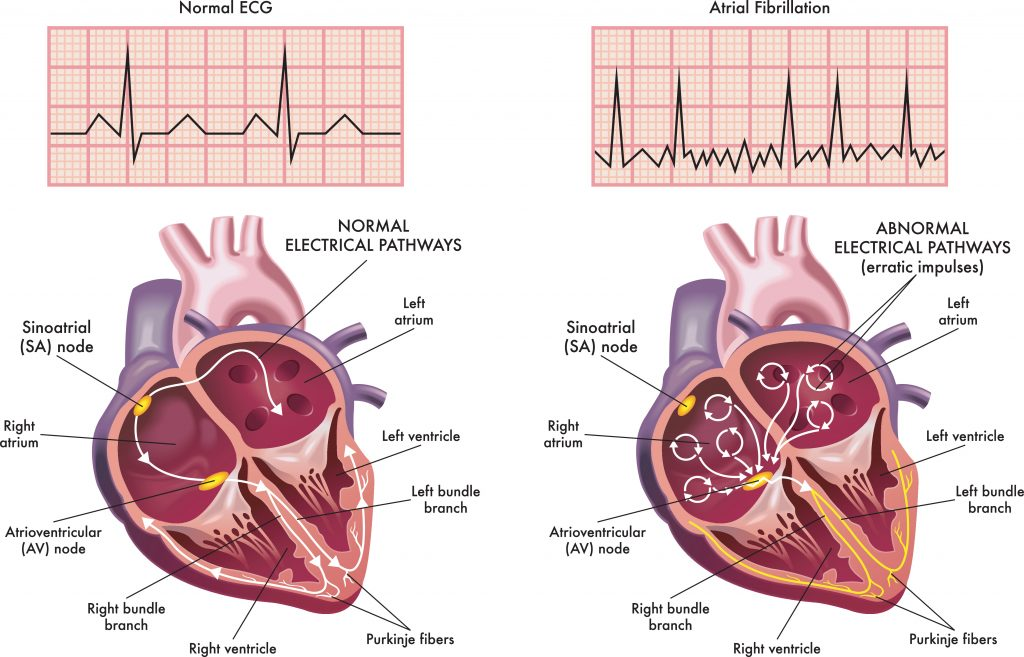
AFib is characterized by irregular and often rapid heartbeats, where the upper chambers (atria) quiver instead of beating effectively. This can lead to symptoms like palpitations, fatigue, and increased risk of stroke or heart failure. With AFib projected to affect over 12 million Americans, understanding modifiable factors like nutrient deficiencies is vital.
Magnesium: The Heart’s Unsung Regulator
Magnesium acts as a natural “voltage regulator” for the heart, helping maintain electrical stability. It regulates ion channels, including calcium and potassium, preventing hyperexcitability in heart cells that can trigger arrhythmias. Low magnesium levels (hypomagnesemia) disrupt this balance, allowing calcium to flood cells and potassium to leak out, making the heart prone to erratic firing.
As a cofactor for over 300 enzymatic reactions, magnesium is essential for the sodium-potassium ATPase pump, which maintains the heart’s resting membrane potential. When magnesium is deficient, this pump falters, leading to intracellular potassium depletion and easier cell depolarization—key factors in AFib onset. Moreover, all cellular energy in the form of ATP requires magnesium (as Mg-ATP) for usability; low levels mean reduced energy for ion pumps, resulting in conduction issues and heart irritability.
Evidence Linking Magnesium Deficiency to AFib
Scientific studies consistently associate low serum magnesium with higher AFib risk. Community-based research shows that hypomagnesemia increases the likelihood of developing AFib, even in those without prior cardiovascular disease. One study found an inverse relationship: higher magnesium levels correlate with reduced AFib incidence. Long-term follow-up data indicates low magnesium predicts AFib over years, though short-term associations are less clear.
Magnesium deficiency is common, especially in chronically ill patients, exacerbating oxidative stress, inflammation, and electrolyte imbalances that fuel arrhythmias. Low levels promote reactive oxygen species (ROS), leading to fibrosis (scar tissue) in the heart, altered conduction, and chronic atrial irritation. Experimental models confirm magnesium deficiency induces pro-inflammatory states and cardiomyopathy with necrosis and fibrosis.
There is no substitute for a nutrient that is lacking in the body.
No drug can replace an essential nutrient.
The Case for Supplementation
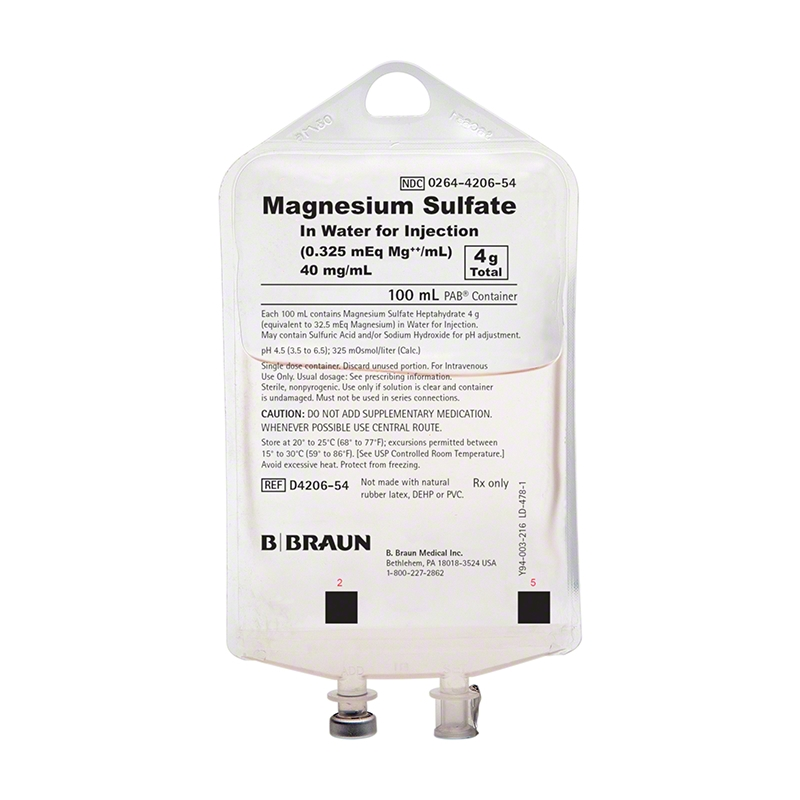
While a balanced diet is ideal, modern soil depletion often means food lacks sufficient magnesium, as Dr. Baxas noted. Supplementation shows promise, particularly in acute settings. Intravenous magnesium, often combined with potassium, significantly boosts rhythm conversion in AFib patients and reduces the need for antiarrhythmic drugs. A meta-analysis supports its role in managing AFib with rapid ventricular response (RVR). For prevention, evidence is mixed: it reduces postoperative AFib in cardiac surgery, but oral supplements don’t always prevent episodes in general populations. However, pilot trials suggest addressing deficiencies can lower AFib risk.
AFib is multifactorial, involving factors like hypertension, sleep apnea, and electrolyte disturbances. Magnesium isn’t a cure-all but shines where deficiency exists, stabilizing rhythms and reducing recurrence. Doctors should test for hypomagnesemia routinely, especially in at-risk patients.
Boosting Your Magnesium Intake
To support heart health, incorporate magnesium-rich foods or consider supplements under medical guidance.
| Food Source | Magnesium per Serving |
|---|---|
| Buckwheat groats | 270 mg / 520 g |
| Pili nuts | 155 mg / 48 g |
| Bananas | 120 mg / 440 g |
| Natto | 120 mg / 100 g |
| Oatmeal (steel cut) | 105 mg / 73 g |
| Spinach | 100 mg / 100 g |
| Pumpkin/squash seeds | 80 mg / 14 g |
| Cashews | 80 mg / 26 g |
| Trail mix | 80 mg / 46 g |
| Turkey breast | 80 mg / 260 g |
| Almonds | 65 mg / 23 g |
| Ribeye filet | 65 mg / 220 g |
Dr. Baxas’s story reminds us: patients often know their bodies best. As evidence mounts, it’s time for healthcare to embrace magnesium as a simple, effective tool against AFib’s “relentless flutter.
Disclaimer:
Nothing on this site is medical advice. I am not a doctor. You should seek you own medical advise before adding supplements to your health regimen, particularly if you are on medications, are pregnant or lactating, or are targeting or treating specific diseases.
I am an independent LiveGood Affiliate and I may receive commission for purchases made from links from this website at no additional cost you.

