
In the world of supplements, magnesium stands out as a powerhouse mineral essential for everything from energy production to muscle relaxation. But with so many forms available, choosing the right one—or better yet, the right combination—can make all the difference. Today, we’re diving into the potential benefits of pairing magnesium glycinate and magnesium gluconate. While each form has its strengths, blending them might offer a more comprehensive approach to boosting your health. Drawing from health insights and user experiences, let’s explore why this duo could elevate your supplement game. Note: Always chat with your doctor before starting any new supplement, especially if you have health conditions like kidney issues.
Enhanced Absorption: Getting More Bang for Your Buck
One of the top perks of combining these two forms is improved overall absorption. Magnesium glycinate, chelated with the amino acid glycine, boasts high bioavailability, slipping easily into your system via the intestines with little to no digestive drama. On the flip side, magnesium gluconate, derived from gluconic acid, absorbs through a slightly different pathway, potentially kicking in faster for quick deficiency fixes.
By teaming them up, your body taps into multiple uptake routes, which could mean better efficiency and less waste. Compared to sticking with just one, this combo might deliver sustained magnesium levels with smaller doses—glycinate for the long haul and gluconate for that initial boost. If you’re dealing with low magnesium from diet or stress, this could be a smarter way to replenish.
A Wider Range of Benefits: From Calm to Cardio

Why settle for one set of perks when you can double down? Magnesium glycinate shines in promoting relaxation, thanks to glycine’s soothing effects on the nervous system—think reduced anxiety, deeper sleep, and eased muscle tension. Add gluconate’s straightforward support for energy and heart health, and you’ve got a powerhouse pair that might enhance everything from stress relief to steady heartbeats.
Highest Quality – Lowest Prices – Full Transparency – That’s LiveGood
Users often rave about this mix for muscle recovery (fewer cramps and spasms) and overall vitality, describing it as a “perfect duo” for better rest without the grogginess sometimes linked to glycinate solo. Unlike a single-form supplement, which might focus narrowly (relaxation for glycinate or basic top-up for gluconate), the blend targets brain, body, and beyond—much like those popular multi-magnesium complexes. For athletes or busy folks, this could mean “night and day” improvements in how you feel.
Gentler on Your System: Fewer Side Effects, More Comfort
No one wants a supplement that upsets their stomach. Both glycinate and gluconate are already kinder than forms like citrate, but combining them lets you use lower doses of each, potentially cutting down on nausea or loose stools even further.
Solo gluconate might risk more GI woes at higher amounts, while glycinate could make you a tad drowsy. The duo balances these out, making it ideal for sensitive tummies. If tolerance is a concern, this approach could be your ticket to consistent use without the hassle.
Extra Wins: Convenience and Cost Savings
Beyond the basics, a combined supplement streamlines your routine—perfect for those juggling muscle recovery, GI-related deficiencies, or just everyday wellness. It echoes the design of triple-magnesium blends, offering versatility in one go. Plus, by optimizing absorption, you might get more value from less product, saving money in the long run.

A Word of Caution: Not a Magic Pill
While the benefits sound promising, they’re rooted in general magnesium science rather than tons of studies on this exact pair—effects might be additive, not super-synergistic.
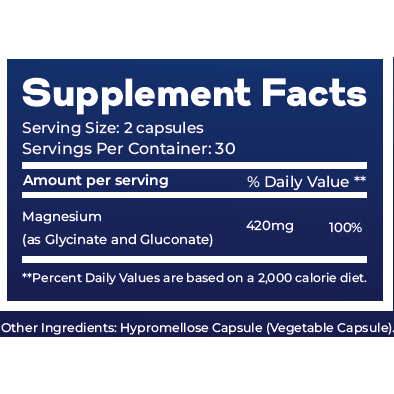
Aim for the recommended daily allowance (310-420 mg for adults) to dodge risks like irregular heartbeats, especially if your kidneys aren’t at full strength. Watch for interactions with meds like antibiotics, start slow, and let blood tests guide you. Remember, food sources like nuts and greens should come first!
That explains why LiveGood formulated it’s Ultra Magnesium Complex the way they did. Two capsules daily provides the full RDA, and if you are getting some from another source (food) you can supplement with half a dose by just taking one that day.
How Your Body Handles Excess Magnesium

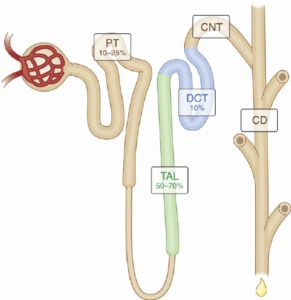
Good news: In healthy folks, your body is pretty good at ditching extra magnesium to keep things balanced. The kidneys are the MVPs here, filtering magnesium from your blood and deciding how much to reabsorb—usually about 95-97%—while peeing out the rest (around 3-5%). If levels spike from supplements or diet, the kidneys crank up excretion to normalize things quickly, often within hours.
Your gut helps too: Only 30-40% of ingested magnesium gets absorbed, with the leftovers heading out in your stool. Sweat and other fluids chip in a tiny bit, but urine is the main exit route. That said, if you have kidney issues, this process can falter, leading to buildup (hypermagnesemia) with symptoms like nausea or weakness. In severe cases, docs might use IV calcium gluconate to counteract effects, diuretics to boost peeing, or even dialysis to clear it out fast. Bottom line: Stay hydrated, don’t overdo supplements (stick under 350 mg extra per day), and get checked if you’re at risk.
If you’re ready to level up your magnesium intake, consider this combo—it just might be the balanced boost you’ve been missing. What’s your go-to supplement? Share in the comments!
There is no substitute for a nutrient that is lacking in the body.
No drug can replace an essential nutrient.
Disclaimer:
Nothing on this site is medical advice. I am not a doctor. You should seek you own medical advise before adding supplements to your health regimen, particularly if you are on medications, are pregnant or lactating, or are targeting or treating specific diseases.
I am an independent LiveGood Affiliate and I may receive commission for purchases made from links from this website at no additional cost you.